All Categories
Featured
Table of Contents
The combination is not inconsistent: efficient expense management need to launch capital and capability for tactical spending. The rest of this report checks out how financing organizations accomplish that balance.
Because of the concerns above, CFOs are releasing a range of cost-cutting strategies. Most importantly, current commentary highlights that cuts should be. As one CFO executive put it, when cutting costs "indiscriminate cost-cuttingwill not create long-term economic worth." Rather, companies should pursue targeted releasing up resources to be redeployed into development .
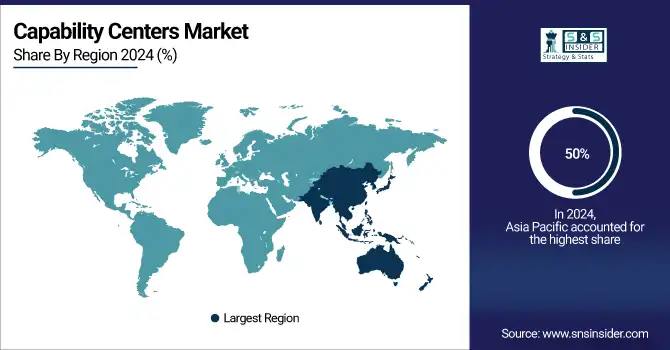
Common actions consist of reviewing all cost categories, renegotiating supplier agreements, and re-engineering procedures. Table 2 summarizes typical locations of costs examination versus areas of continued or increased funding. Upskill finance group for automation and analytics; invest in training to enhance performance.
Offshore Vs Regional Centers: the Strategic Analysis
Shift to virtual events. Reallocate savings to digital marketing tools, data-driven customer analytics. For example, CFOs may trim broad marketing expenditures and instead buy targeted, ROI-measurable projects. IT and Systems (Tradition) Get rid of outdated or redundant applications; impose stringent approval for brand-new software. Buy cloud ERP, RPA, AI, and incorporated analytics platforms .
Why American Work Culture Demands a Different GCC ApproachAI budgeting tools) and provide faster insights (e.g. real-time control panels). Financing Processes (Reporting, Closing) Standardize and automate routine reconciliation and closing jobs to shrink cycle time.
Usage information analytics to optimize cash conversion. Redirect CAPEX towards vital digital infrastructure (e.g. cybersecurity, AI analytics platforms) that enhances long-lasting performance.
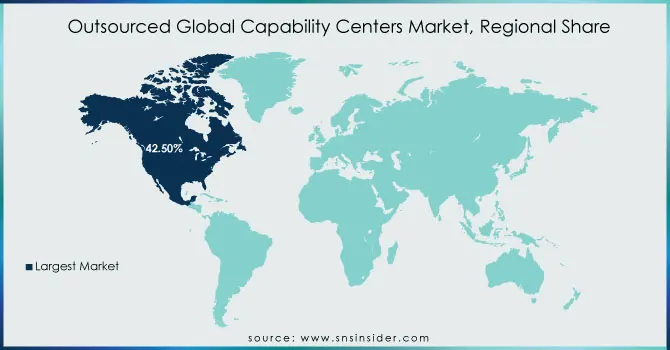
Global Outsourcing Vs Regional Hubs: the 2026 Analysis
Think about sustainability jobs that have dual cost and compliance benefits. In each area, are key.
These steps led to recurring cost savings without crippling the organization. Under ZBB, every cost must be warranted each year, rather than relying on incremental boosts, which forces supervisors to root out redundant costs.
When done thoroughly, this produces lean budgets that line up spending directly with value production. Another crucial method is. CFOs are tightening credit terms and stock levels to release up cash. In the AFP case study of a Middle East automotive seller, the finance group recognized sluggish receivables and bloated stock as crucial drains, and executed stricter credit policies and inventory decrease programs.
Streamlining Hub Operations for Maximum Business ImpactEssential GCC America Frameworks for 2026 Expansion
The case highlights that finance-led tasks (minimizing DSO, negotiating supplier terms, etc) can considerably enhance margins without slashing headcount. Lastly, continue to be substantial levers. Not detailed in this report, many business are consolidating transactional finance (AP, AR, payroll) into Centers of Quality or offshoring areas to record economies of scale.
By moving high-volume, rule-based jobs to specific provider (frequently in lower-cost countries), CFOs can cut costs and gain access to advanced tools (for instance, some BPO suppliers already provide "AI-enhanced accounting" abilities as basic) . In other words, financing outsourcing is ending up being a tactical option for cost management as well as ability structure.
Primary among these is technology and automation. Nearly all surveys underscore that 2026 will see. Notably, despite pressure on general capital investment, financing and IT budget plans show remarkable durability for development. As Deloitte and Gartner information suggest, CFOs are cushioning or even enhancing budgets for digital transformation and AI.

Latest Posts
Corporate Cost Efficiency Tactics Optimized Models
Leveraging GCC Frameworks for Enterprise Budget Reduction
Ways to Slash Corporate Expenses Via Nearshore Operations